Ashanti.wiki
The Asante Kingdom and the Ashanti people: a West African power built on gold, law and an unbroken spiritual covenant — from Osei Tutu I to Otumfuo Osei Tutu II.
A kingdom built on gold and law
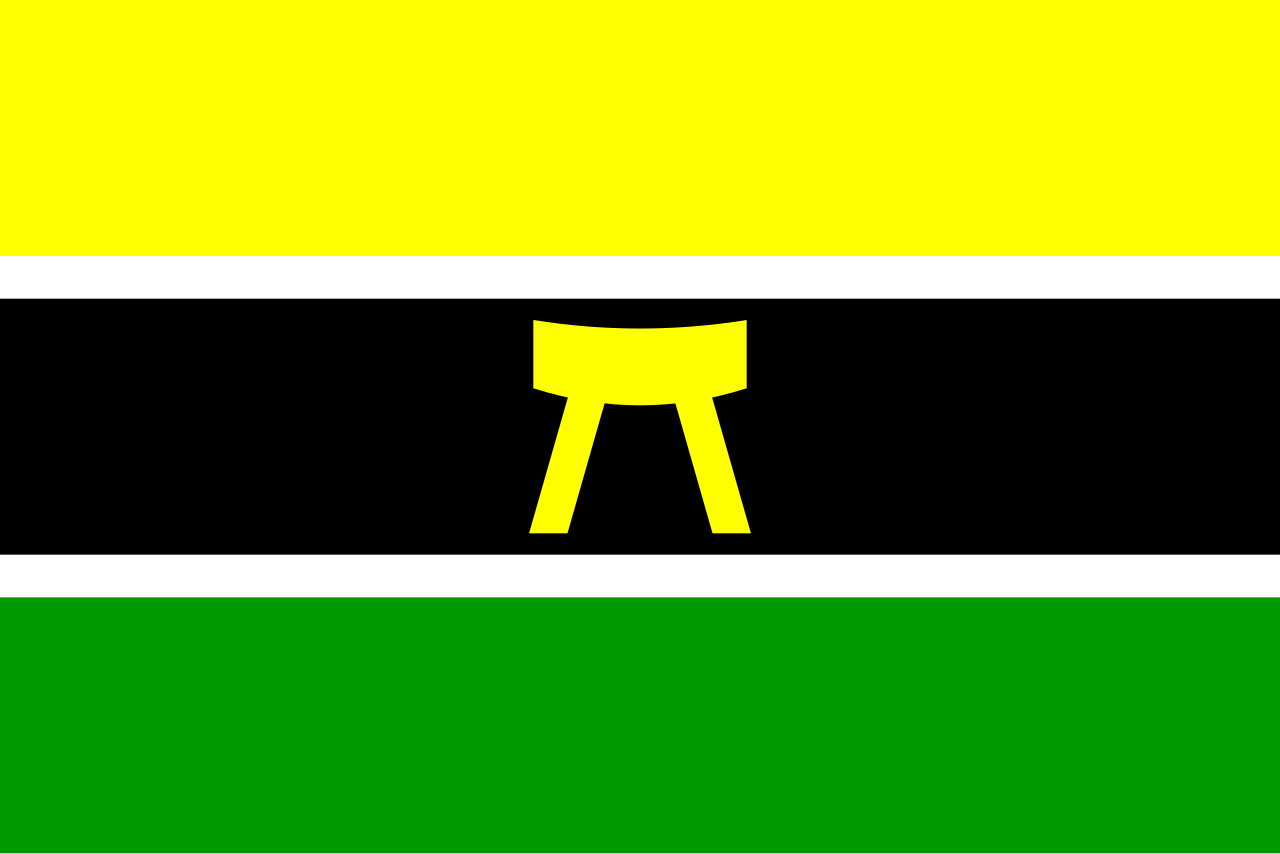
The Asante Empire (1701–1901) was an Akan polity in present-day Ghana, reaching into parts of modern Côte d'Ivoire and Togo. It rose from a coalition of forest chieftaincies united by Osei Tutu I and the priest Okomfo Anokye, who gave the nation its soul: the Golden Stool.
Through military innovation, a merit-based bureaucracy and command of the gold trade, the Asante built one of the most sophisticated indigenous states of pre-colonial Africa. Defeated in 1874 and annexed in 1902, they never surrendered the Stool — and the Asante Kingdom lives on today under Otumfuo Osei Tutu II.
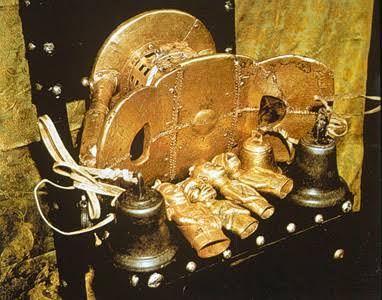
Explore the Asante world
19 dossiers on the history, institutions, people and present-day Ashanti.
History
Origins & Foundation
Akani gold traders, Denkyira, Osei Tutu I and the victory of Feyiase (1701).
Read more →Complete Timeline
From the Akani traders to the 2024 returns: every key date, filterable by era.
Read more →The Asantehenes
Sixteen sovereigns, from Osei Tutu I to Osei Tutu II.
Read more →Wars with Britain
The Anglo-Asante Wars, the sack of Kumasi and the Treaty of Fomena.
Read more →Yaa Asantewaa
The Queen Mother of Ejisu who led the War of the Golden Stool in 1900.
Read more →Power & Law
The Golden Stool & Law
Okomfo Anokye, the Sika Dwa Kofi, the Seventy-Seven Laws and the Great Oath.
Read more →Governance & Bureaucracy
The Kwadwoan Revolution and the Wilks–McCaskie debate.
Read more →Military & Expansion
Levée en masse, six-part tactics, rolling fire and a medical corps.
Read more →Gold, Trade & Roads
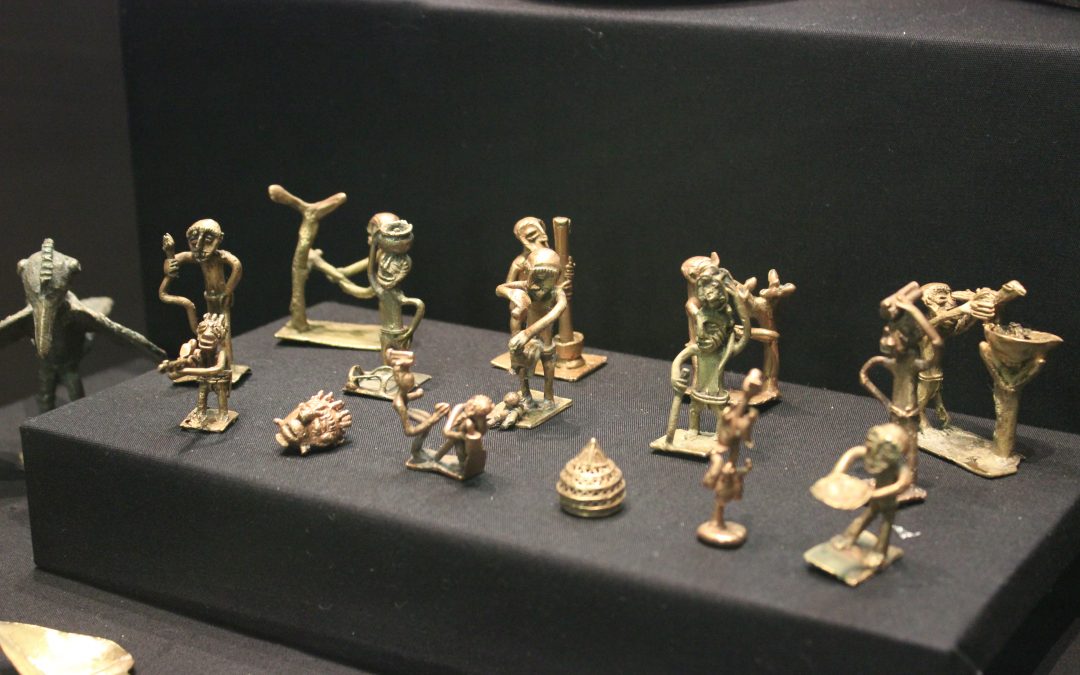
Gold dust, mrammou weights and the Nkwantempon Great Roads.
Read more →People & Culture
Society & Matrilineality
Abusua, the Asantehemaa, social tiers, pawnship and slavery.
Read more →Culture, Kente & Architecture
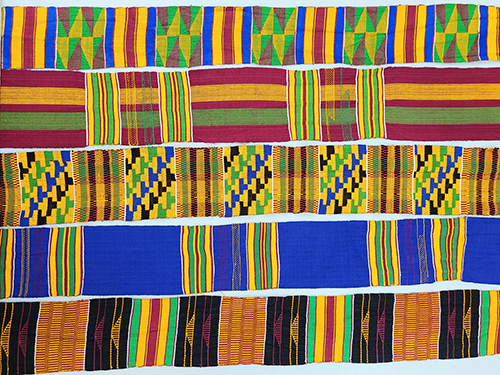
Kente and Adinkra, Islamic scholars at court, the architecture of Kumasi.
Read more →The Asante Twi Language
Greetings, numbers, day names, proverbs and how to read Twi.
Read more →The Baoulé People
Queen Pokou and the Asante roots of the Baoulé of Côte d'Ivoire.
Read more →Today
Kumasi, the Garden City
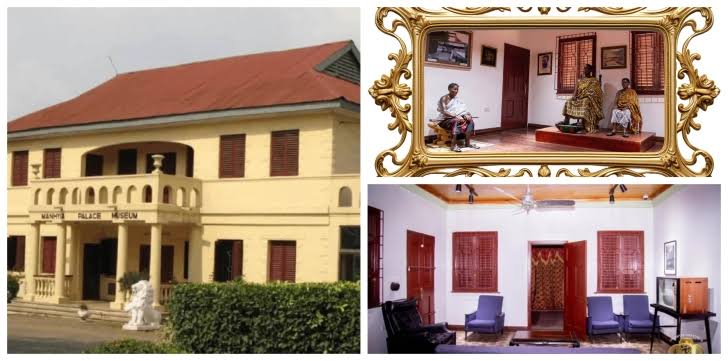
The Asante capital: Manhyia, Kejetia Market, museums and universities.
Read more →Ashanti Region & Towns
Today's region: 5.4 million people, historic towns and craft villages.
Read more →The Tano River
The sacred river of the Akan, from Techiman to the Aby Lagoon: geography, deity Ta Kora and threats.
Read more →Otumfuo Osei Tutu II
Biography of the 16th Asantehene, enstooled in 1999.
Read more →Legacy & Restitution
The 1935 restoration and the 2024 return of looted regalia.
Read more →Glossary
Akan terms and names used across the encyclopedia.
Read more →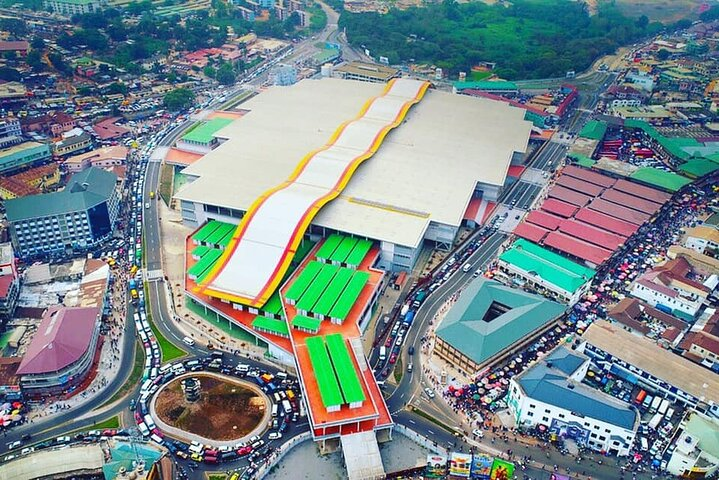
Kumasi, the Garden City
Founded around 1680 by Osei Tutu I, Kumasi (Oseikrom, "Osei's town") is the capital of the Ashanti Region and the seat of the Asantehene. Home to the Manhyia Palace, the Kejetia Market and the Great Roads that once linked the interior to the coast, it remains the beating heart of Asanteman.
Yaa Asantewaa, the Queen Mother who would not kneel
"If you, the men of Asante, will not go forward, then we will. We, the women, will."
In 1900 she led the War of the Golden Stool. The British never captured the Stool.
Read her story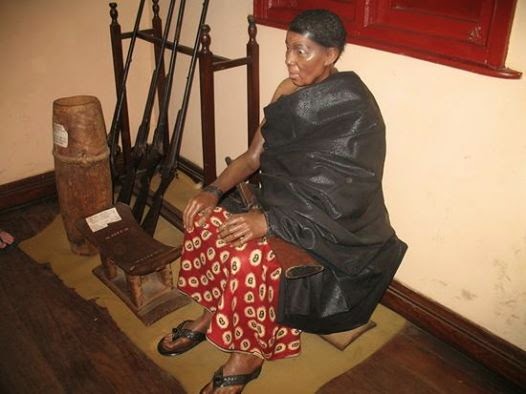
From Kumasi to the Baoulé country
Around the mid-eighteenth century, according to tradition, Queen Pokou led a dissident Asante group west across the Komoé river. Her people became the Baoulé of Côte d'Ivoire — Akan cousins who still share day names, matrilineal descent and a taste for gold.
Gallery